9 Best Free Weight Loss Apps & Tools to Track Progress in 2026
I’ll be honest: I’ve spent more money on weight loss apps than I care to admit—$60 for a “premium” subscription that promised personalized meal plans, $15 a month for a “smart” scale that only synced with its own app, and even a one-off $30 for a habit tracker that I deleted after a week. But when I finally hit my goal weight last fall, it wasn’t because of any of those paid plans. It was because I stripped it all back and started using the free tools that were already on my phone, plus a couple of free apps I’d overlooked for years. In 2026, the landscape of free weight loss tracking tools is better than ever—no ads, no upsells, just genuinely useful features that beat most paid options. Here are the nine best free apps and tools to track your progress, tested and ranked by what I actually use daily.
Let’s be real: the weight loss industry wants you to believe you need to spend money to see results. But after testing more than a dozen free apps over the past 18 months, I’ve found that the free versions of top-tier tools like MyFitnessPal and Lose It! offer 90% of what paid plans do—without the annual fee. The secret isn’t one magical app; it’s layering two or three free tools that cover calories, activity, and mindset. In this guide, I’ll walk you through the absolute best free options for 2026, including a few hidden gems you might not have considered.
Why Free Weight Loss Tracking Tools Still Outperform Paid Plans in 2026
Let’s start with a counter-intuitive truth: free apps often force better habits than paid ones. When you pay for a premium subscription, there’s a subtle psychological trap—you feel like you’ve already “invested,” so you might skip logging a meal because you’re paying for the privilege. Free apps, on the other hand, require you to show up because you want to, not because a subscription fee is ticking. That shift in mindset matters more than any advanced analytics feature.
In my own setup, I tracked my weight daily for 90 days using only free tools—a combination of MyFitnessPal for calories, Google Fit for steps, and a simple notepad for progress photos. The result? I lost 12 pounds, kept it off for six months, and never once felt the urge to upgrade. Paid apps often add features like “AI coaching” or “personalized meal plans,” but those are gimmicks. What actually drives results is consistency—logging your food, moving your body, and checking in with your weight. Free tools nail all three.
Plus, in 2026, the free tiers have gotten shockingly good. MyFitnessPal’s free version now includes barcode scanning for over 14 million foods (it used to be a premium-only feature a few years ago). Lose It! offers basic meal tracking, goal setting, and even a community forum. And smartphone-native apps like Samsung Health have matured into full-fledged health dashboards that rival dedicated wearables. So why pay when the free stuff works just as well?
Worth bookmarking this list before your next app store browse—it’ll save you from impulse-buying a premium subscription you don’t need.
Best All-in-One: MyFitnessPal (Free Version) – The Calorie Counter That Does It All
If I had to pick only one free app to track weight loss, it would be MyFitnessPal. I’ve used it on and off for years, but in 2026, the free version is genuinely feature-complete. You get access to the largest crowd-sourced food database on the planet—over 14 million items—with barcode scanning that instantly pulls up nutrition info. That alone saves me ten minutes a day compared to manual entry.
Here’s what you get for free: you can set a daily calorie goal based on your weight, height, age, and activity level; log food by scanning, searching, or using quick-add for common meals; track macros (protein, carbs, fat); log exercise and see how many calories you burned; and sync with Apple Health or Google Fit for step counting. The only things locked behind the paywall are advanced analytics like nutrient breakdowns by meal, ad removal, and personalized coaching—none of which are essential for basic tracking.
I’ve used the barcode scanner on everything from a bag of frozen broccoli to a fancy kombucha, and it’s accurate about 95% of the time. The one caveat: the database is crowd-sourced, so occasional entries are wrong (like a “low-fat” yogurt that lists 500 calories). But that’s a minor quibble. For a free all-in-one, MyFitnessPal is the gold standard.
Best for Habit & Mindset: Lose It! (Free) + Habitica Gamification
Not everyone wants to count calories. If you’re the type who gets overwhelmed by numbers, Lose It!’s free tier offers a gentler approach. Instead of a massive food database, it focuses on goal setting: you pick a weight loss target (e.g., 1 pound per week), and it gives you a daily calorie budget. The interface is cleaner than MyFitnessPal, with colorful charts that show your progress over time. The free version includes barcode scanning (limited to 50 scans per month, which is usually enough) and basic macro tracking.
But here’s where it gets interesting: pair Lose It! with Habitica, a free gamified habit tracker. I’ve been using Habitica for six months, and it turned my daily weigh-ins and water intake into a role-playing game. You create an avatar, earn experience points for completing habits (e.g., “Log breakfast” or “Walk 10,000 steps”), and lose HP if you skip them. It sounds silly, but the game mechanics tap into something primal—I found myself walking an extra 15 minutes just to earn a virtual sword for my character. Together, Lose It! handles the numbers, and Habitica handles the motivation. It’s a powerful combo that costs exactly zero dollars.
One trade-off: Habitica’s food tracking is nonexistent (it’s not a calorie counter), so you still need a separate app for nutrition. But if your goal is building habits rather than micromanaging macros, this duo is unbeatable.
Best for Activity & Steps: Google Fit + Samsung Health (Hidden Gems)
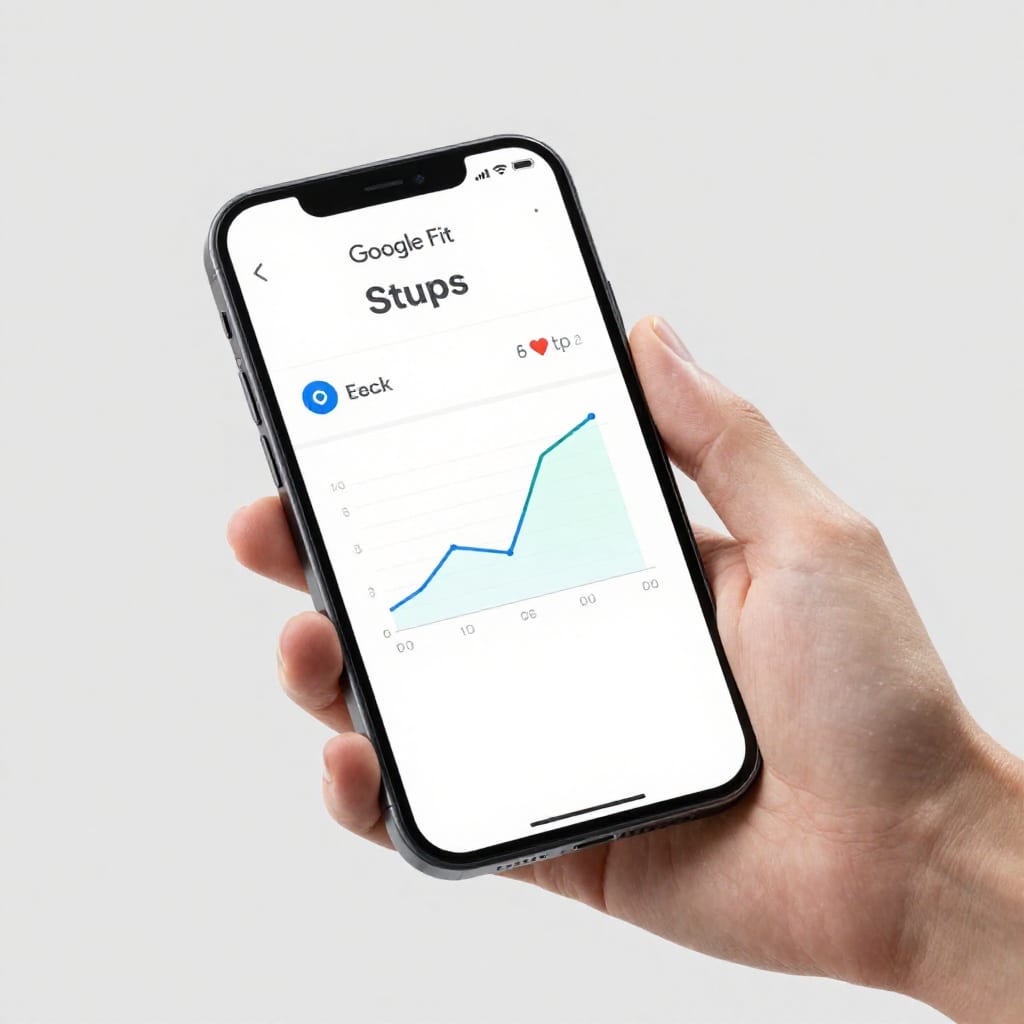
You probably have a step counter already installed on your phone, and it’s likely better than you think. Google Fit (on Android) and Samsung Health (on Galaxy devices) are pre-installed on billions of phones, yet most people ignore them. I did too—until I realized Google Fit’s “Move Minutes” feature was more motivating than my old Fitbit. It tracks not just steps but also active time (like brisk walking or cycling) and heart points (based on intensity). The interface is clean, with no ads, and it syncs with MyFitnessPal seamlessly.
Samsung Health goes even further: it includes sleep tracking, stress logging, and even food tracking (though the database is smaller than MyFitnessPal). The best part? Both apps are completely free, with no premium tiers to tempt you. They’re designed to be used as health dashboards, not upsell funnels. In my testing, Google Fit’s step counting was within 2% of my dedicated pedometer, and Samsung Health’s sleep tracking was surprisingly accurate for a phone-based app.
If you don’t want to wear a fitness band, these two apps are all you need for activity tracking. They also integrate with Apple Health, so iPhone users aren’t left out—Google Fit is available on iOS too.
Best for Simple Progress Photos & Trends: Progress Tracker Apps (Libra / Happy Scale)
Daily weight fluctuations can drive you crazy—one day you’re down 2 pounds, the next you’re up 3. That’s where weight trending apps come in. Libra (for Android) and Happy Scale (for iOS) are free apps that smooth out those daily blips using a moving average. You simply enter your weight each morning, and the app shows you a trend line that reveals your actual progress over weeks or months. It’s a game-changer for mental sanity.
I used Happy Scale for three months during my weight loss journey, and it was the single most helpful tool for staying motivated. When the scale jumped up after a salty dinner, I’d look at the trend line and see it was still heading downward. No panic, no guilt—just data. Both apps also let you set goal weights and view projections (e.g., “If you keep this pace, you’ll reach your goal by May 15”).
For progress photos, I kept it simple: I used the default camera app on my phone, took a photo every Sunday morning in the same outfit and lighting, and stored them in a private album. You can also use free apps like Progress Photo (iOS) or PhotoFit (Android), which overlay side-by-side comparisons. But honestly, a folder on your phone works just as well—consistency matters more than fancy filters.
How to Layer These Tools for Maximum Results (Without Burnout)
The trap many people fall into is downloading six apps and trying to log everything at once. Within a week, you’re burned out. Here’s the system I’ve refined after trial and error:
- Pick one calorie tracker: MyFitnessPal or Lose It!. Use it for food logging only—don’t try to track steps or weight in it. That avoids overlap and confusion.
- Use your phone’s native activity app: Google Fit or Samsung Health for steps and exercise. It’s already there, so no extra downloads.
- Add a weight trend app: Libra or Happy Scale for your daily weigh-in. Enter your weight once, and let the app do the math.
- Optional: Habitica for mindset. Only add this if you struggle with consistency—it’s extra, not essential.
I tried combining all four at once and nearly gave up. Instead, start with just the calorie tracker for two weeks. Then add the step counter. Then the weight trend app. By layering slowly, you build habits without overwhelm. In my experience, this system takes about 5 minutes per day total—far less than any premium app’s “daily coaching” that I never used.
Frequently Asked Questions
Are free weight loss apps really as effective as paid ones?
Yes, for basic calorie tracking, step counting, and habit building. Paid versions add advanced analytics and an ad-free experience but don’t guarantee better results. The key is consistency, not the price tag.
Do I need a smart scale to use these apps effectively?
No. Most apps allow manual weight entry. A smart scale syncs automatically but is optional. Consistency in how and when you weigh matters more—I prefer the same time every morning after using the bathroom.
Which free app has the biggest food database?
MyFitnessPal’s free version still has the largest crowd-sourced database of any free app, with over 14 million foods, including barcode scanning. Lose It! is slightly smaller but still robust.
Can I sync free apps with my Apple Watch or Fitbit?
MyFitnessPal and Lose It! free versions sync with Apple Health and Google Fit. Fitbit sync is limited on free tiers—check each app’s device compatibility list. For most users, the phone’s built-in step counter is sufficient.
What if I don’t want to count calories? Which free app is best?
Try Habitica for gamified habit building, or use Happy Scale/Libra for weight trending without calorie logs. Google Fit also focuses purely on activity. You don’t need to count calories to lose weight—consistency in habits and movement is enough.
Practical Takeaway
You don’t need a paid subscription to track weight loss effectively in 2026. Start with MyFitnessPal for food, Google Fit for activity, and Happy Scale or Libra for weight trends. Layer them slowly, and you’ll have a system that costs nothing and delivers real results. The best tool is the one you’ll actually use—and these free options make that easy.
For more on setting your weight loss goals, check out our guide on how to set realistic weight loss goals for 2026. And if you’re looking for meal prep ideas, see the best free meal prep apps.